
Understanding Generational Healing in Racial Communities
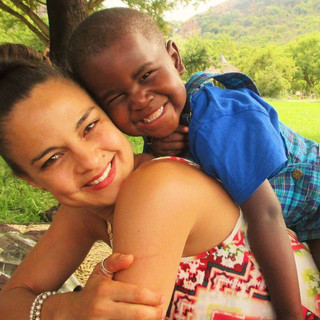
Generational healing is a concept that has gained traction in recent years, particularly within racial communities. It refers to the process of addressing and healing the emotional and psychological wounds that have been passed down through generations. These wounds often stem from historical trauma, systemic oppression, and cultural disconnection. In this blog post, we will explore the significance of generational healing, its impact on racial communities, and practical steps that can be taken to foster healing and resilience.

The Importance of Generational Healing
Generational healing is crucial for several reasons:
Addressing Historical Trauma: Many racial communities have experienced significant historical trauma, including colonization, slavery, and systemic racism. These experiences can lead to deep-seated emotional pain that affects not only individuals but entire communities.
Breaking Cycles of Pain: Without addressing these traumas, they can perpetuate cycles of pain and dysfunction. Generational healing allows communities to break these cycles, fostering healthier relationships and environments.
Cultural Reconnection: Healing often involves reconnecting with cultural roots and traditions. This reconnection can empower individuals and communities, providing a sense of identity and belonging.
Promoting Mental Health: Addressing generational trauma can lead to improved mental health outcomes. Individuals who engage in healing practices often report reduced anxiety, depression, and other mental health issues.
Understanding Historical Context
To fully grasp the concept of generational healing, it is essential to understand the historical context of racial communities. Many groups have faced systemic oppression that has left lasting scars. For example:
African American Communities: The legacy of slavery, segregation, and ongoing discrimination has created a complex web of trauma. Studies show that African Americans are more likely to experience mental health issues related to these historical injustices.
Indigenous Communities: Colonization and forced assimilation have led to significant cultural disconnection and trauma. Many Indigenous people face high rates of mental health issues, substance abuse, and suicide, often linked to historical trauma.
Latinx Communities: Issues such as immigration, discrimination, and cultural dislocation have created unique challenges. Healing from these experiences is vital for fostering resilience and community strength.
The Process of Generational Healing
Generational healing is not a one-size-fits-all approach. It involves various practices and strategies tailored to the specific needs of a community. Here are some common methods:
Storytelling
Storytelling is a powerful tool for healing. Sharing personal and collective narratives allows individuals to process their experiences and connect with others. This practice can take many forms, including:
Community Gatherings: Organizing events where individuals can share their stories fosters a sense of belonging and understanding.
Artistic Expression: Using art, music, and writing as forms of expression can help individuals articulate their experiences and emotions.
Cultural Practices
Reconnecting with cultural traditions can be a vital aspect of generational healing. This may include:
Ceremonies and Rituals: Engaging in traditional ceremonies can provide a sense of continuity and connection to ancestors.
Language Revitalization: Learning and using ancestral languages can strengthen cultural identity and promote healing.
Therapy and Counseling
Professional support can play a crucial role in the healing process. Therapists who specialize in trauma-informed care can help individuals navigate their experiences and develop coping strategies. Community-based mental health services can also provide accessible support.
Education and Awareness
Raising awareness about the impact of historical trauma is essential for fostering understanding and empathy. Educational programs can help individuals recognize the signs of generational trauma and the importance of healing.
Practical Steps for Communities
Communities looking to promote generational healing can take several practical steps:
Create Safe Spaces: Establish environments where individuals feel safe to share their stories and experiences without judgment.
Encourage Intergenerational Dialogue: Foster conversations between different generations to share knowledge, experiences, and healing practices.
Support Local Initiatives: Engage with local organizations that focus on healing and cultural revitalization. Supporting these initiatives can strengthen community ties.
Promote Mental Health Resources: Ensure that community members have access to mental health resources and support services.
Celebrate Cultural Heritage: Organize events that celebrate cultural traditions, fostering a sense of pride and connection.
The Role of Allies
Allies play a crucial role in supporting generational healing within racial communities. Here are some ways allies can contribute:
Listen and Learn: Allies should actively listen to the experiences of marginalized communities and seek to understand their struggles.
Advocate for Change: Use your voice to advocate for policies and practices that promote equity and justice.
Support Community Initiatives: Engage with and support local organizations focused on healing and empowerment.
Educate Yourself: Take the time to learn about the history and experiences of racial communities. This knowledge can inform your actions and support.
Conclusion
Generational healing is a vital process for racial communities seeking to address the wounds of the past. By understanding the historical context, engaging in healing practices, and fostering supportive environments, communities can break the cycles of trauma and build resilience. It is essential for individuals, communities, and allies to work together in this journey toward healing and empowerment.
As we move forward, let us remember that healing is not just an individual journey but a collective one. By supporting one another and embracing our shared histories, we can create a brighter future for generations to come.


Comments